
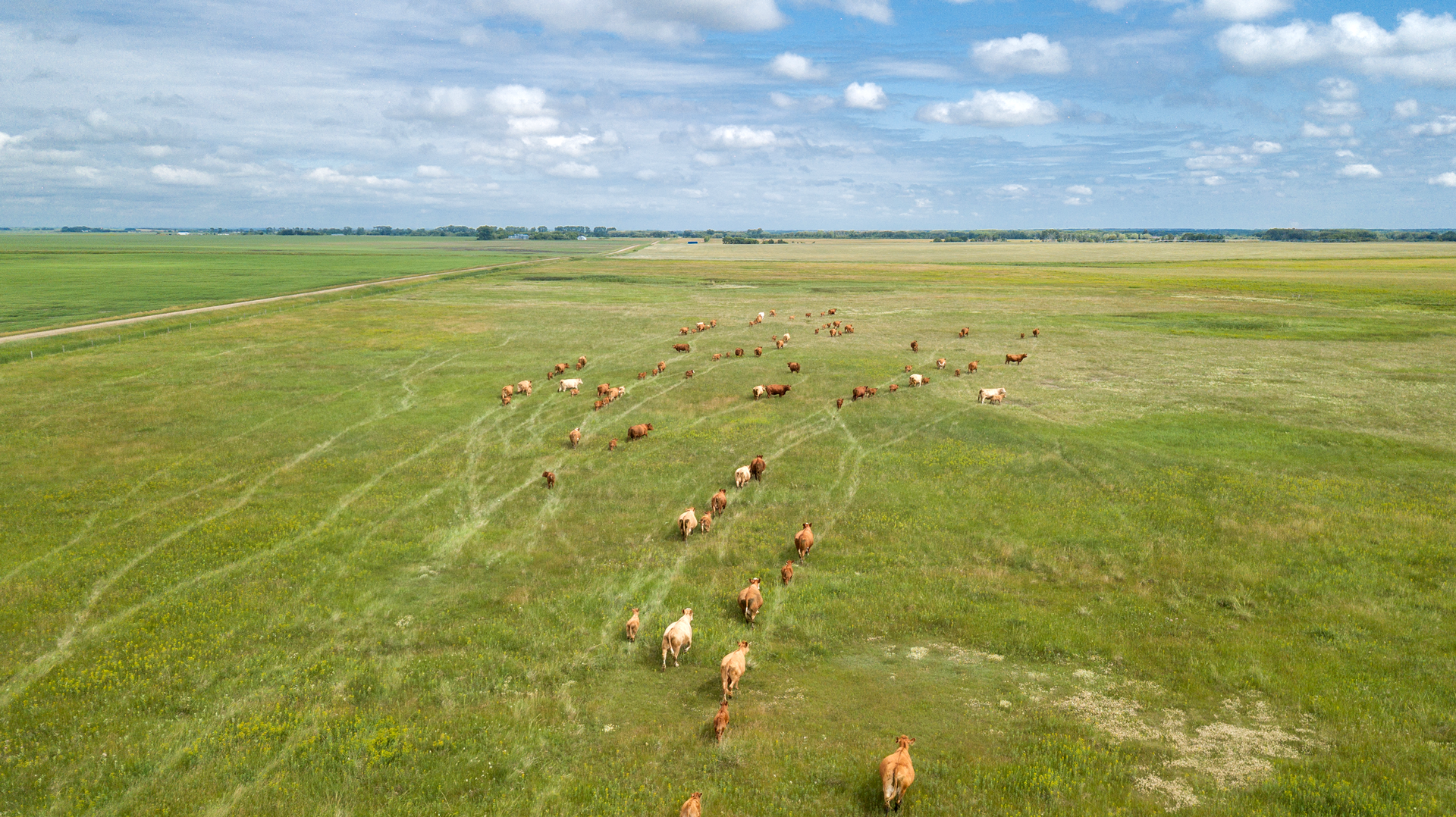
Realizing the full potential of Canadian agriculture
We are farmers, ranchers, and agricultural experts from across Canada working to ensure that the next Agricultural Policy Framework positions Canadian agriculture to thrive.
Canadian producers face increasing volatility: more extreme weather, rising input costs, and increasing market barriers. In this environment, resilience is not a buzzword—it is economic strength. Resilient operations are tougher, more self-reliant, and better positioned to seize opportunity.
With the right policy, Canadian agriculture can deliver not just agricultural products, but skilled jobs, strong rural economies, climate solutions, biodiversity gains, and more.
Resilience is rooted in stewardship
Stewardship is at the heart of Canadian agriculture. For many producers, good stewardship is foundational to their values and identity as farmers and ranchers.
But in an era of unprecedented volatility, we need to do more. Now is the time to expand and build on our tradition of stewardship to increase resilience. By adopting practical, proven beneficial management practices like reduced tillage, rotational grazing, and more diverse rotations, innovative Canadian producers can lower costs, reduce the threat of extreme weather, and increase profitability.
Resilient farms and ranches have:
- Healthy soils and robust natural systems for long-term productivity and profitability.
- Lower input costs and better input use efficiency.
- Stable, predictable yields and less revenue volatility.
- Lower greenhouse gas emissions and better environmental outcomes.
- Expanded markets for higher-value products.
Building resilience builds our competitive advantage—positioning Canada as a leader in reliable, sustainable, low-carbon food production.
Read Improving soil health, improving margins: The Prairie Creek Farm case study to learn how beneficial management practices are leading to more resilient, profitable farming operations.
Farmers and ranchers are committed to resilience: in our 2024 national poll of farmers and ranchers, almost 94% prioritize improving soil health and 87% enhancing on-farm resilience.
About the Resilient Agriculture Initiative
Every five years, federal, provincial, and territorial governments set the direction for Canadian agriculture through the Agricultural Policy Framework (APF), which impacts programs such as crop insurance, environmental initiatives, and research investments. The current framework, with over $3.5 billion in public investment, runs until 2028, but discussions for the next phase are already underway. We believe farmer and rancher voices must be part of these conversations, which is why we launched the Resilient Agriculture Initiative (RAI).
Launched in 2026, the RAI brings together producers and experts who are working to build more resilient farm operations. Over the next two years, RAI members will engage a wide range of producers and sector organizations nationwide to identify:
What’s working on today’s farms and ranches?
Where do current policy tools fall short?
How can the next Agricultural Policy Framework better support stewardship-driven resilience?
Our goal is practical, producer-led policy that strengthens economic resilience, rewards effective stewardship, unlocks new investment and market opportunities, and builds a profitable, thriving sector.
Canada’s farmers and ranchers steward one of the largest agricultural land bases in the world.
Good policy can unlock its full potential.
Delivering more for farmers and ranchers. More for Canadians. More for the world.
Members

Dr. Aaron DeLaporte
Ontario
Aaron is Senior Research Associate, Food, Agricultural and Resource Economics Department at the University of Guelph. Aaron’s research program examines the environmental and economic tradeoffs of innovative agricultural BMP adoption using spatial bioeconomic and transportation modelling. He has examined wetland management throughout Canada and biomass-based bioenergy in Ontario and North Dakota. His current research focuses on 4R nitrogen management, precision agriculture, cover crops, and genomic technologies.
“I want to apply academics to real change.”
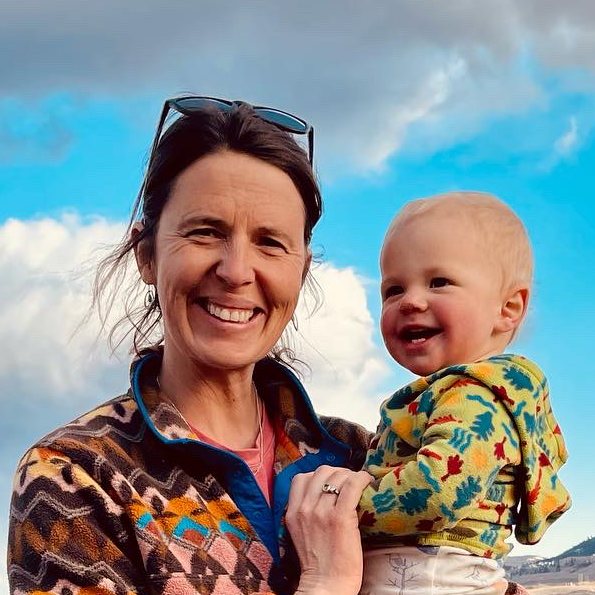
Andrea Barnett
British Columbia
Andrea grew up in Secwépemc territory and carries a deep respect for the land and the communities connected to it. She is driven by work at the critical intersection of people, policy, and practice, and thrives in multidisciplinary environments where diverse perspectives inform practical, lasting solutions.
Andrea brings experience across British Columbia’s ranching, academic, conservation, and wildfire resilience sectors. She has worked within the B.C. ranching community both as a rancher and in support of the provincial cattle association, contributing to policy development and strategic planning. In academia, she has served as a sessional lecturer in the Faculty of Natural Resource Science at Thompson Rivers University. Her conservation experience spans non-profit organizations, including Ducks Unlimited Canada, the philanthropic sector, and service on several boards and committees, including the Minister’s Wildlife Advisory Council.
Andrea also works in the field of wildfire resilience, coordinating a Wildfire Resilience Program for the POLIS Project on Ecological Governance. In this role, she advances policy, planning, and governance solutions aimed at strengthening community and landscape resilience in the face of escalating climate and wildfire risk.
Andrea holds a Bachelor of Arts in Political Science and Philosophy from the University of Victoria and a Master of Public Policy from Simon Fraser University. As a mother and avid outdoorswoman, she is committed to ensuring her children inherit a future where thriving landscapes and a resilient agricultural sector remain central to life in British Columbia.
“I want to be part of a forward-looking group that contemplates creative solutions for a resilient agriculture sector.”
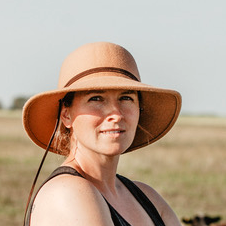
Arlie LaRoche
Saskatchewan
Arlie is a regenerative agriculture advocate equally at home discussing soil microbes, fixing a fence, or hosting a long-table dinner on the farm. Based just outside Saskatoon, she founded Farm One Forty, a direct-to-consumer farm where pasture-raised animals and healthy ecosystems form the foundation of the business.
With a background in environmental consulting and water resources, Arlie brings a science-first mindset to farming—pairing data and observation with muddy boots and hands-on problem-solving. This blend of technical expertise and practical experience has shaped Farm One Forty into a living example of how regenerative agriculture can be productive, profitable, and deeply resonant with consumers.
Arlie also helped launch Odla Restaurant & Market, translating farm values into a celebrated farm-to-table experience while strengthening connections between local producers and the wider community. Beyond daily farm work, she speaks about regenerative practices, mentors fellow farmers, and welcomes people onto the land to see firsthand how healthy soil, animals, and communities grow together.
At heart, Arlie is an optimist—committed to leaving the land better than she found it, building resilient local food systems, and proving that farming can be both serious work and a life well lived.
“We’ve had some wins on the farm, and I’ve proven to myself—and some of my neighbours—that what we’re doing works. But I want to do more. I’m here for the collaborative spirit. I avoid divisive mentalities. I want to be a voice at the table.”
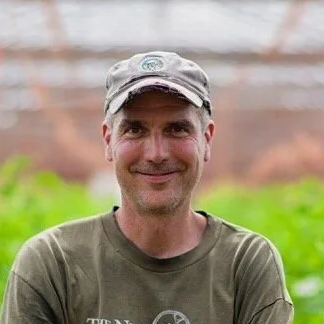
Brent Preston
Ontario
Brent is a Farmer at the New Farm in Ontario and serves as FCS board president. Brent worked as a human rights investigator, election observer, and journalist on four continents before becoming a farmer. For the past eighteen years he has run The New Farm, a wholesale vegetable operation near Creemore, Ontario, with his wife, Gillian. The farm supplies specialty retail stores and some of the best restaurants in Canada. In 2024, Brent and Gillian transformed their farm business into The New Farm Centre, a registered charity dedicated to developing, demonstrating, and advocating for a regenerative farming system.
“Policy is essential if we want widespread change.”
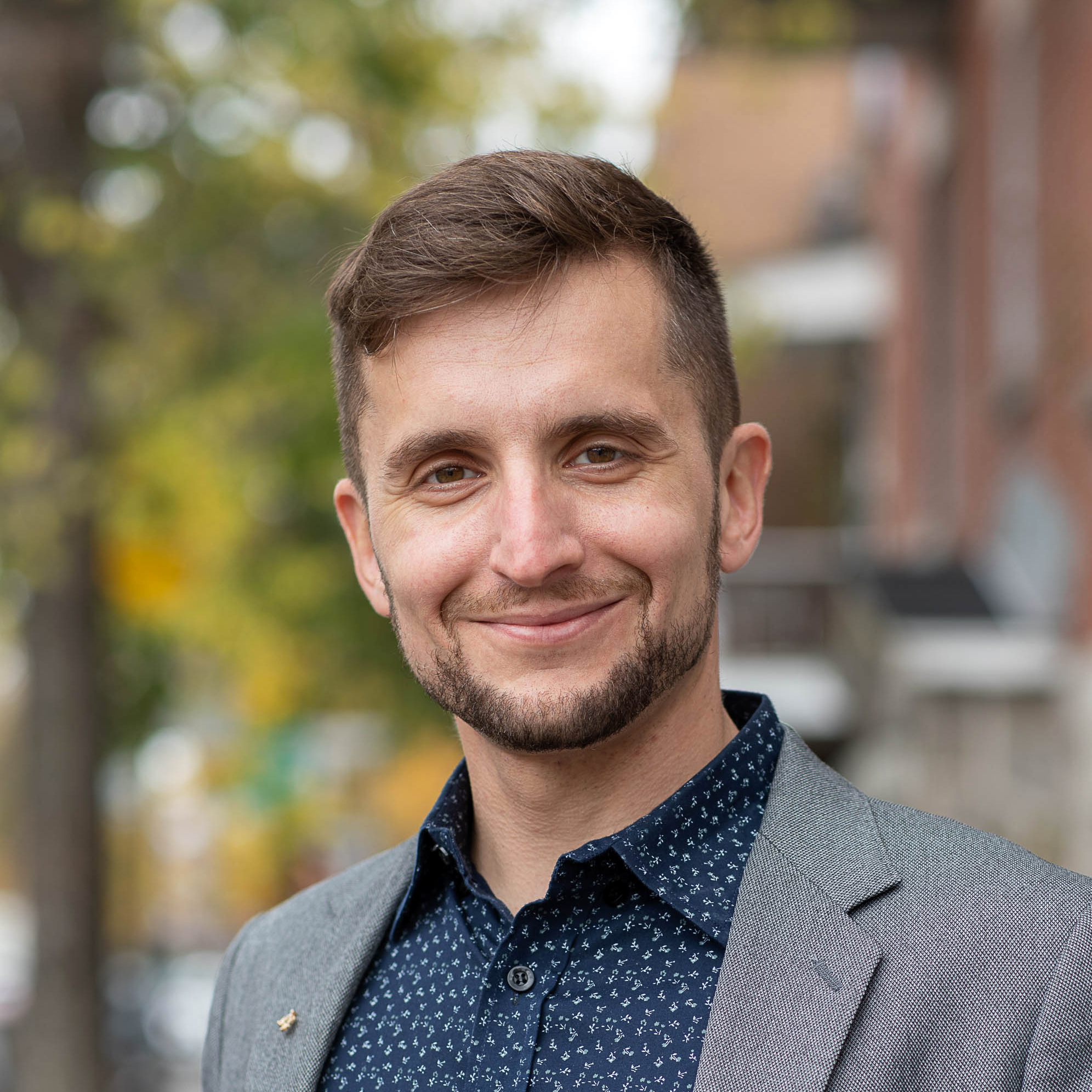
Jean-Michel Couture
Québec
Jean-Michel is an agricultural economist from Laval University in Québec, Canada. He joined Groupe AGÉCO in 2011 and now holds the position of President and Partner.
As an agricultural economist, he has gained experience in the fields of agricultural policy, international trade legislation, and trade analysis. As an expert in the field of corporate responsibility applied to the agri-food sector, Jean-Michel has been involved in several Canadian and European projects involving the review, analysis, and development of sustainability standards.
Over the years, he participated in the development and implementation of new approaches to assess and report on sustainability performance in a comprehensive way, including the social life cycle assessment methodology.
Jean-Michel was involved in numerous projects of national and international scope which gave him a solid and detailed understanding of the specific challenges and opportunities facing the Canadian agricultural industry.
“I want to be part of connecting the dots to make a difference. We’re at a plateau in sustainability, and we need to connect more dots to get to the next level.”
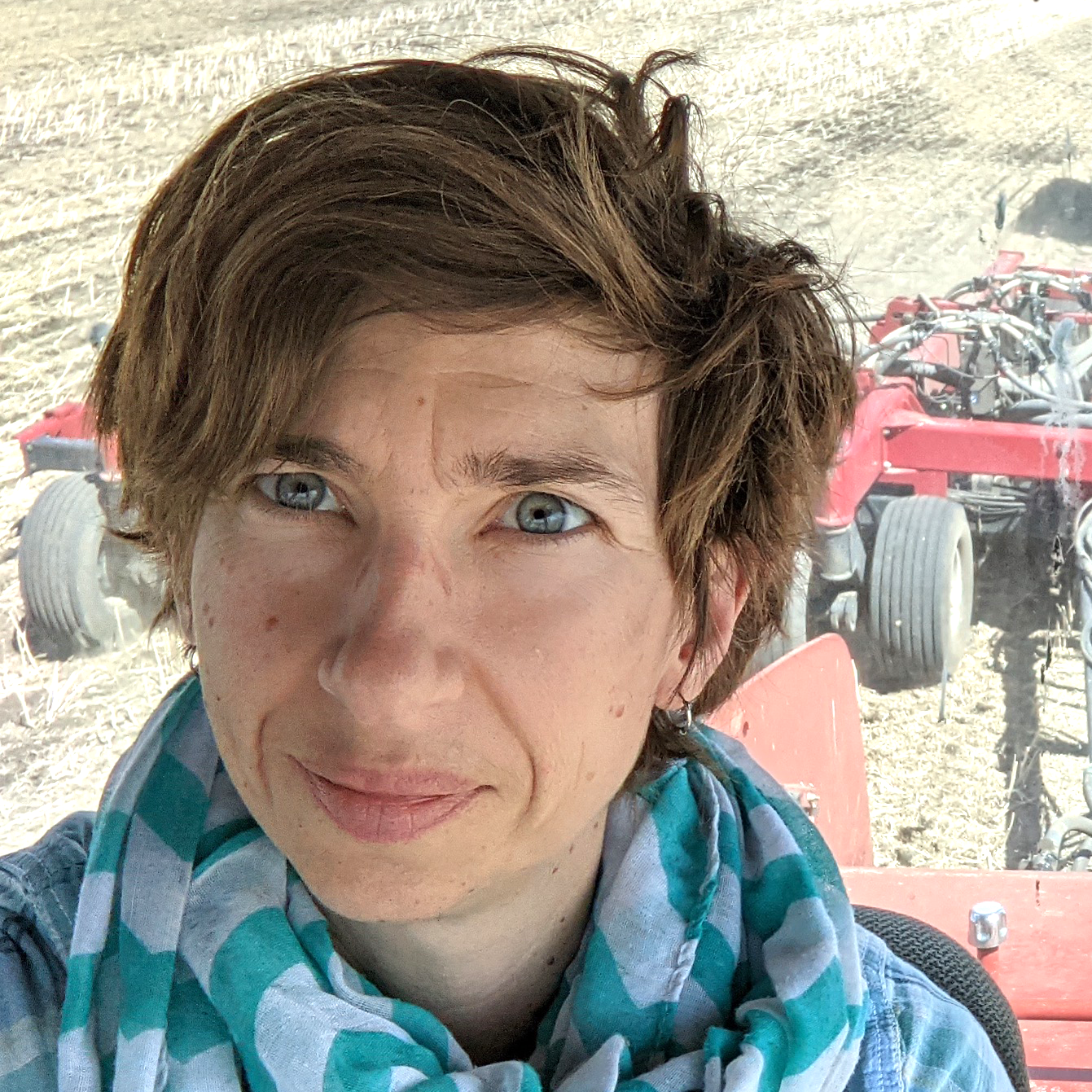
Karen Klassen
Manitoba
Karen farms near Manitou in southern Manitoba. Although she grew up on the family farm, she spent most of her adult life living and working abroad primarily in London, UK and Melbourne, Australia. She moved back to Canada in 2018 to become a farming apprentice with her dad. She comes to farming with a background in nutrition science and dietetics, with a clinical specialization in working with people with HIV and has completed a PhD evaluating vitamin D deficiency in people with HIV.
Being on the farm and trying to work with nature has renewed her connection with the origin of food and how we can meaningfully play a role in improving the food supply by rejuvenating the soil, which in turn will improve the environment and the food growing in it. She is also on a journey to quasi-self-sufficiency with a large garden, growing orchard and related indoor hobbies to keep her busy to while away the hours during the long Manitoba winters.
In addition to farming, while in Manitoba she has also worked for the Manitoba Organic Alliance and Farmers for Climate Solutions and is a member of the National Farmers Union.
“From the family farm to nutrition and back to farming with my dad, I’ve learned that real progress happens when we listen and work together. I get hope from being part of initiatives like this that unite diverse voices for lasting change.”
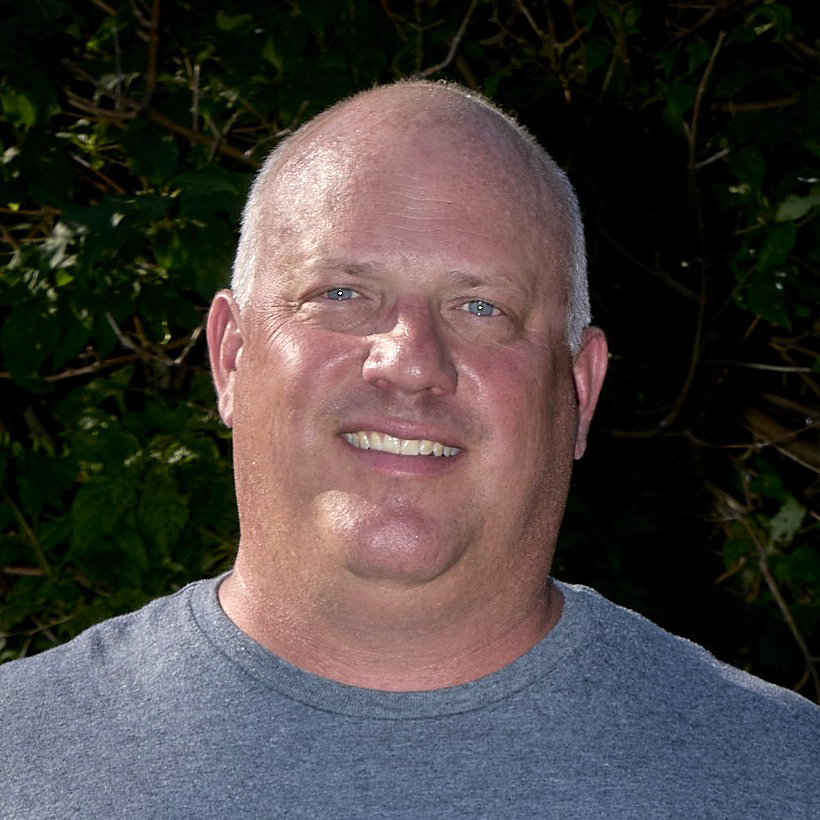
Ken Coles
Alberta
Ken is a passionate agri-innovator with 30 years in agriculture research and extension with private industry, government, and a non-profit charity, Farming Smarter. Ken has built Farming Smarter into a world class agriculture innovation hub and believes strongly that regionally focused groups are essential to ensure that farms remain competitive and resilient. Ken holds of Bachelor of Science degree from the University of Lethbridge and a Master of Science from Royal Roads University in Victoria, BC. He is a 2022 Nuffield Scholar, a professional Agrologist, and certified crop advisor.
“My passion is the science side of things. It feels like a moral obligation to have good policy for good science.”

Nicole Baldwin
Saskatchewan
Nicole’s professional background includes the development and management of agri-environmental programming that focuses on nature-based solutions to farming challenges. In her current work with ALUS, Nicole works to support the regeneration of working and marginal landscapes with a focus on soil health, biodiversity, and community building. She is passionate about advancing landscape resilience, rural prosperity, and agricultural sustainability and has served on several committees and advisory boards in a professional and volunteer capacity.
Nicole earned her MSc. in environmental Toxicology at the University of Saskatchewan. She recently completed 13 years of service at home and abroad in the Canadian Armed Forces as a Naval Combat Information Operator with the Naval Reserves. She was born and raised in rural Saskatchewan and is proud to be raising her son on the prairies alongside her husband.
“My family farm is conventional, but I’ve been transitioning to more ecological and regenerative practices. Thanksgiving dinners can get lively, but those conversations remind me that progress begins with listening—recognizing our diverse perspectives and ensuring producers’ voices lead the way.”

Paul Slomp
Québec
Paul is a Farmer at the Ferme Grazing Days Farm in Quebec. He also serves as board member at FCS. Paul was raised on his family’s dairy farms, first in the Netherlands, then in Alberta—farms that were at the forefront of the grass-based dairy movement. After an interlude to study engineering at the University of Alberta and to work with small-holder farmers in sub-Saharan Africa, Paul returned to Canada to start his own farm. The aim is to produce food for people in a way that regenerates soil and rejuvenates ecosystems while being economically viable. Paul, his partner Josée, and three kids are breathing new life into the abused soil of a recently acquired farm in St-André-Avellin, QC. Their farm is called Grazing Days and they mob graze a herd of cattle and pasture a flock of broiler chickens on 370 acres and market the meat they produce directly to households in the Ottawa, Gatineau, and Montreal areas.
“One of the biggest problems is that there aren’t enough supports when farmers decide to try something new.”

©2023AlieskaRobles, Hamaka Creativity Lab and Regeneration Canada.
Scott Kemp
Manitoba
Scott is the founder of Verdancy Ag and Co-Lead of Perennial Insights. He leads the project team, bringing a rare combination of applied economic expertise, deep producer engagement, and sector knowledge rooted in Prairie agriculture.
He specializes in farm-level financial analysis of regenerative systems and regularly advises on the design of economic models that resonate with both producers and capital providers.
As founder of Verdancy Ag and co-lead of Perennial Insights, Scott has built trusted relationships across the agriculture ecosystem—including producers, NGOs, lenders, and supply-chain actors. His work bridges on-farm realities with strategic and financial decision-making, ensuring projects deliver credible analysis, strong stakeholder alignment, and outcomes positioned for real-world uptake.
“I’m on the finance side of sustainable agriculture. At the end of the day, resilience is tied to ROI.”
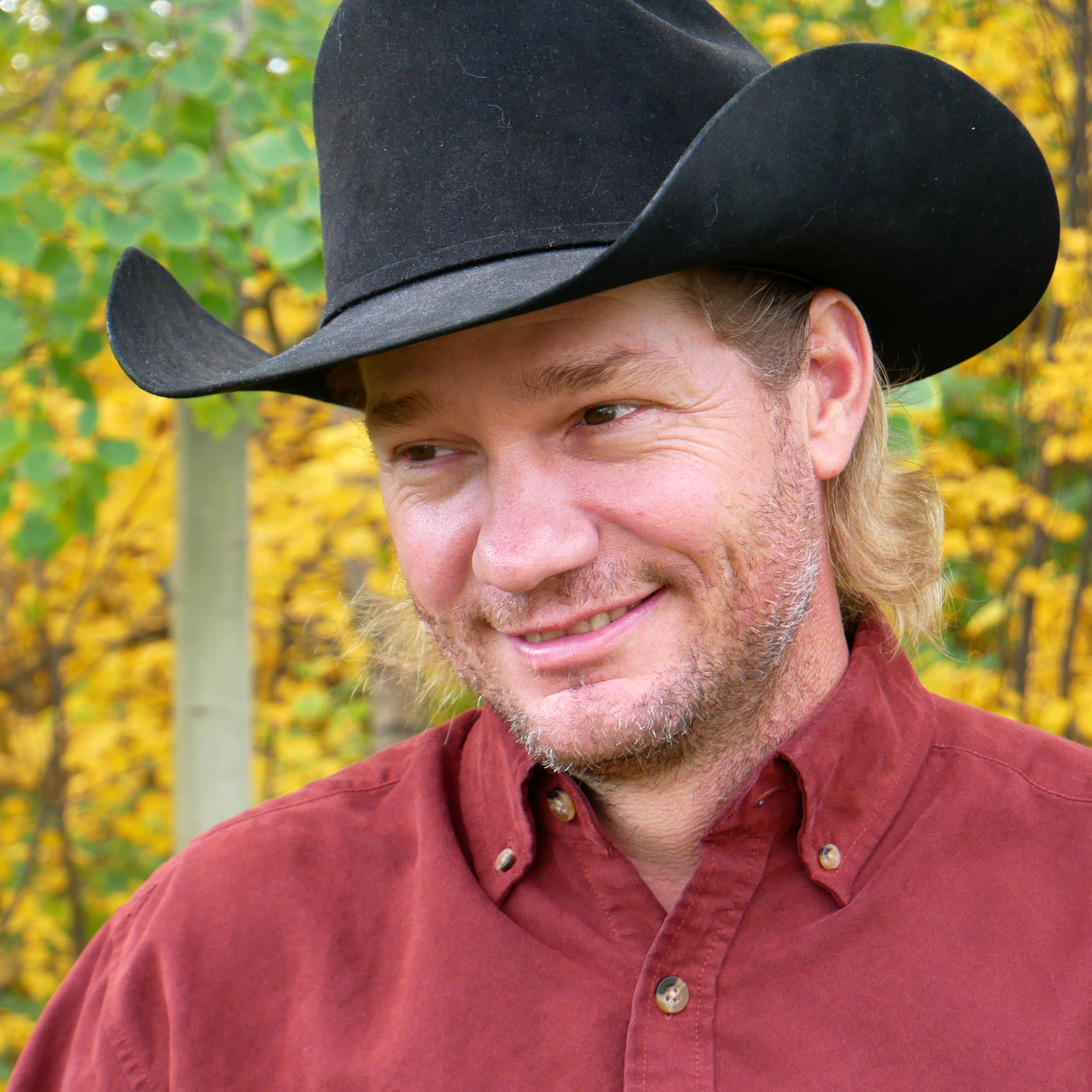
Steve Kenyon
Alberta
Steve owns a custom grazing business operating as Greener Pastures Ranching Ltd. near Edmonton, Alberta, where he manages 1,200 head of livestock on 2,600 acres of leased land.
Steve has been teaching regenerative grazing management for more than 20 years and has been a keynote speaker at many conferences and seminars. Steve developed the online grazing school for the FCS FaRM Program and is also a writer for the Stockman Grass Farmer Magazine.
In the past, he has been on the review committee for the Environmental Farm Plan, a director for GRO, and a representative for ARECA. Steve currently serves as a director on the RDAR Board in Alberta.
“We need major changes in agriculture—but those changes have to make sense for farmers, families, and communities, especially given today’s global challenges.”
Want to stay up-to-date on the initiative?
- Sign up for the FCS newsletter.
- Contact rai@farmersforclimatesolutions.ca to share your ideas or ask questions.