

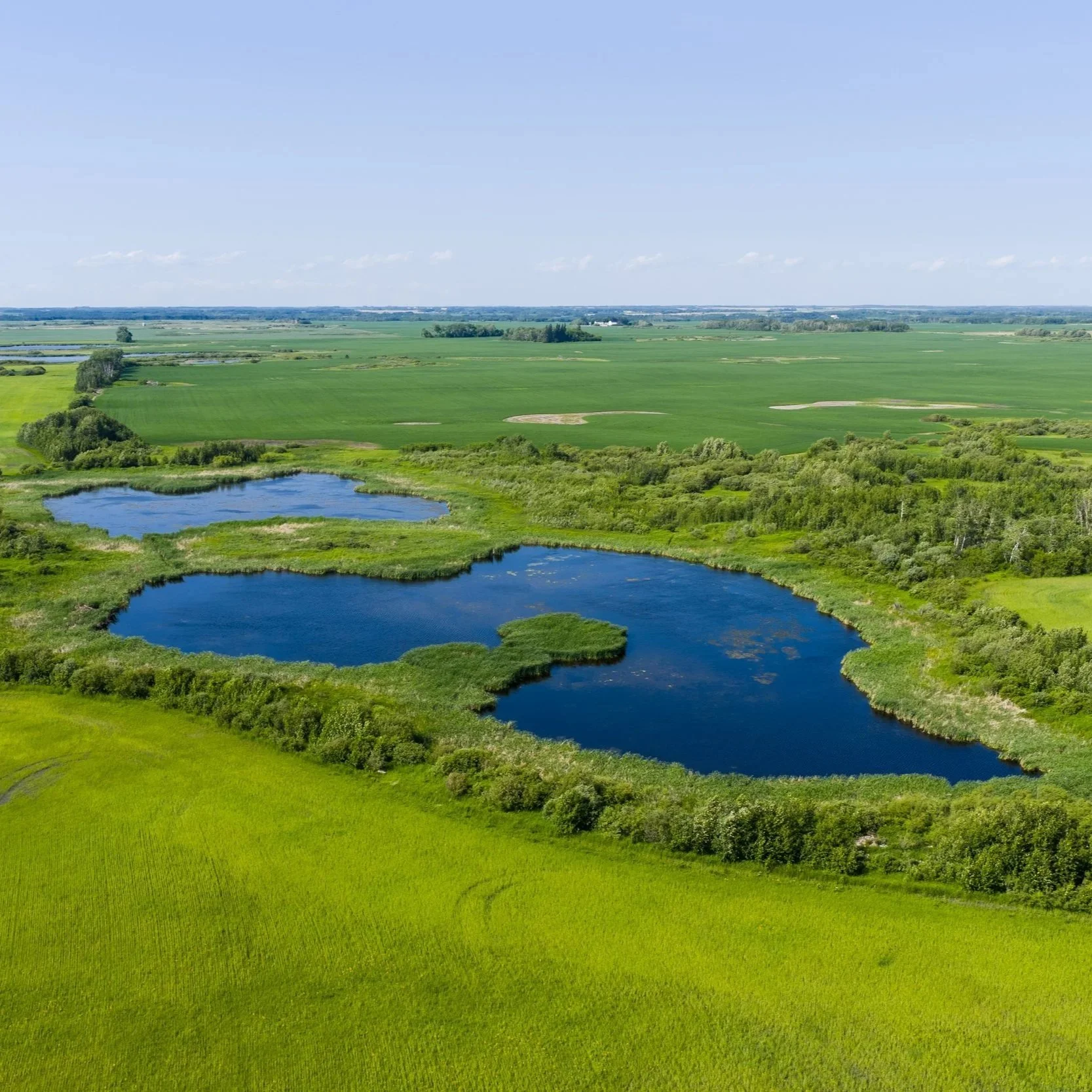
Halifax statement sets a strong direction for much-needed resilience across the sector
FCS welcomes the vision and priorities outlined in the Halifax Statement, which align closely with the recommendations put forward by the RAI to prioritize building resilience in the next Agricultural Policy Framework (APF), following consultations with more than 150 farm organizations and agricultural leaders, as well as a national poll of 1,366 farmers and ranchers.
Prioritizing resilience in the next Agricultural Policy Framework: A prerequisite on all other priorities
The Resilient Agriculture Initiative (RAI) consulted with over 150 farm organizations and agriculture leaders and conducted a national poll of over 1,300 Canadian producers to identify priorities for the next Agricultural Policy Framework (APF). This brief highlights key findings from this work and identifies top focus areas for the APF in order to support producers in the ways that matter most to them.

Working with crop farmers to de-risk BMP adoption in Canadian agriculture
As part of a new project, FCS is working with the Smart Prosperity Institute and the Nature Investment Hub to assess the feasibility of new and innovative de-risking tools. Together, we are implementing on-farm pilots that test new de-risking tools with Canadian farmers to explore how to lower the risks of trialing new BMPs, allowing farmers to evaluate whether a practice works on their farm, determine effective implementation and planning strategies and access technical support.
Stronger farms and ranches, stronger Canada: Investing in on-farm resilience during the 2025 federal election
This federal election provides us with an important opportunity to advocate for investments that support farmers and ranchers working to increase the resilience of the operations. By engaging with your local candidates, you can ensure that on-farm resilience is recognized as a priority, regardless of who forms Canada’s next government.
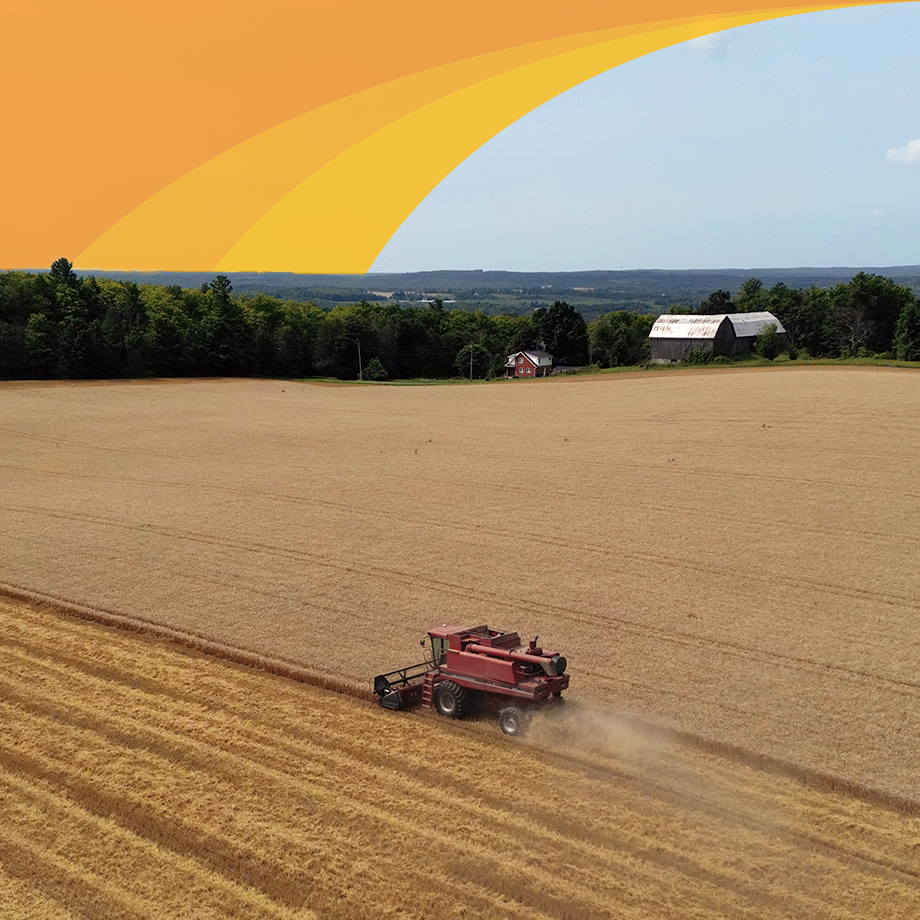
Producer perceptions of environmental sustainability and climate change: 2024 National Poll of Farmers and Ranchers
Farmers for Climate Solutions commissioned market research firm Léger to conduct a national poll of Canadian producers to better understand the perspectives of farmers and ranchers on climate change and sustainability. The poll provides valuable insights into their concerns, environmental priorities, and the support they need to strengthen the resilience of their operations.

Building a sustainable and prosperous future for Prairie Agriculture: The Prairie Farmer & Rancher Forum
Launched in 2024, the Prairie Farmer & Rancher Forum was a groundbreaking initiative that brought together producers with diverse viewpoints and opinions. The Forum came to a strong consensus on a set of guiding principles and 36 recommendations that are practical, achievable, and are rooted in the experience of Forum members. Together, the recommendations offer the sector a starting point for improving sustainability and profitability in Prairie agriculture.

Rooted in Climate Action: Recommendations for the next Agricultural Policy Framework
Canada’s Agricultural Policy Framework (APF) is our sector’s most significant policy framework. We have a plan to scale-up the adoption of climate-friendly practices that reduce GHG emissions, increase carbon sequestration, and strengthen resilience on farms across Canada.

Grounded in Resilience: Adapting Business Risk Management Programs to reward climate-friendly agriculture
Business Risk Management (BRM) programs are essential to protect farmer livelihoods, but they are also costly for governments. As climate change continues to increase risks to farmers, these programs will become more expensive if we don’t proactively invest in climate-friendly farming.

A Down Payment for a Resilient Farm Future: Budget 2021 Recommendation
A $300 million investment to reduce agricultural emissions by 10 megatonnes.
A better future starts on the farm: Recommendations for recovery from COVID-19 in Canadian agriculture
Five ways to support farmers recovering from the pandemic while helping them deal with the long-term effects of the climate crisis, too.